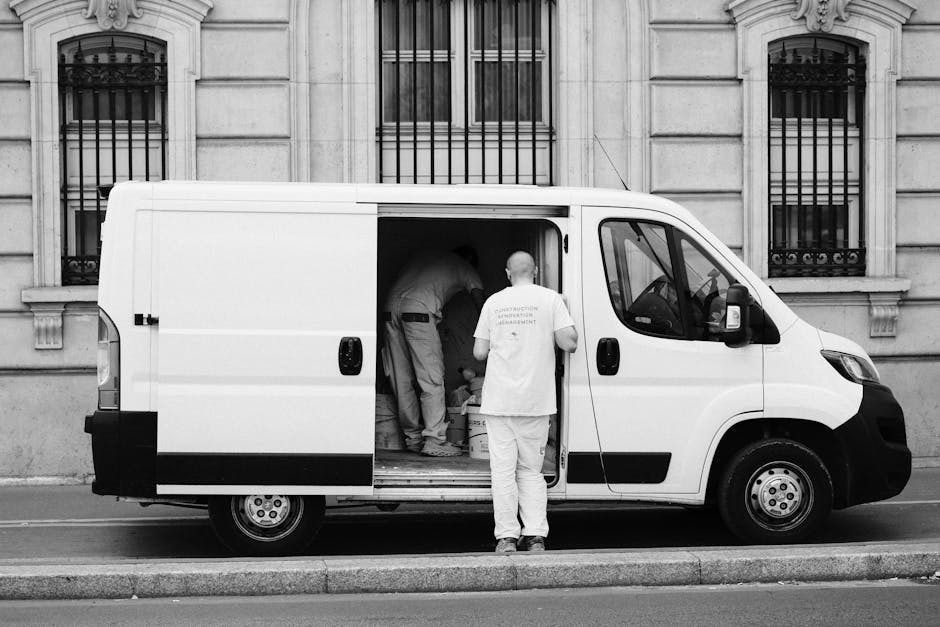
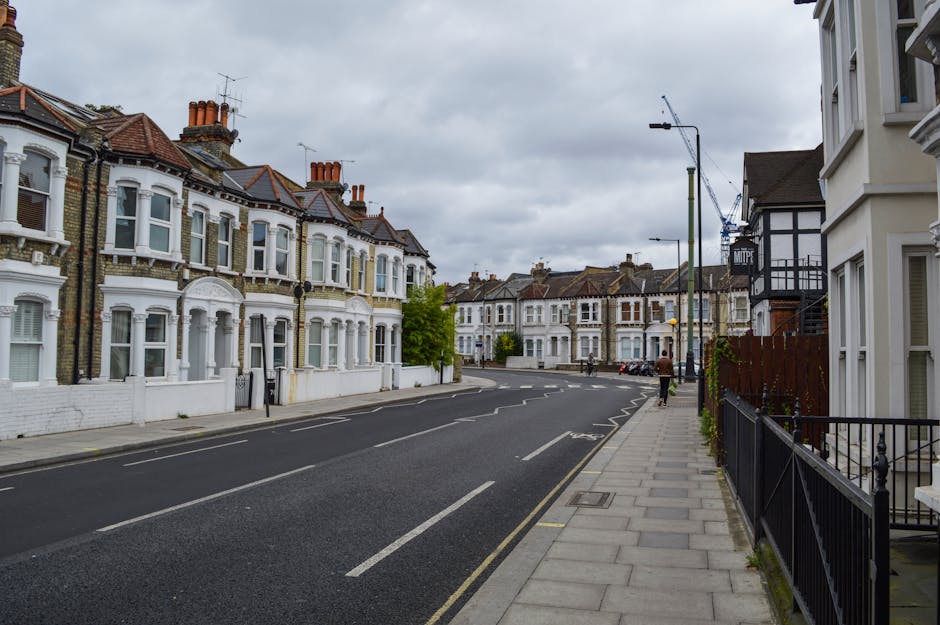
Tufnell Park man with van services

Our man with van in Tufnell Park service is built for practical moving tasks that need a careful vehicle, a helping pair of hands and an organised approach. It suits household items, single-room moves, furniture collection and local transport jobs where a full removals crew would be more than you need. We focus on handling goods safely, loading them sensibly and moving them in a way that helps keep the job straightforward from the first collection point to the final drop-off.
The service can support a move across the area, a journey to another part of London or a simple pickup from a shop, storage unit or private address. Because every load is different, we plan around access, item size and the amount of lifting involved. If you are comparing options, think about what matters most: vehicle space, route efficiency, protective handling and the level of help required on arrival. You can request a quotation once you know the basics of the job.
We can also discuss moving support alongside related tasks such as carrying awkward pieces, protecting furniture and organising a sensible loading order. In practice, that often means fewer surprises on the day and a clearer idea of how the move will be managed. If you already have a short list of items, it helps to note what is fragile, what is bulky and whether any stairways or tight corners will need extra attention. Clear details lead to better planning.
Household transport and local moving help
For domestic jobs, our man and van work can cover a small flat move, a student relocation, furniture transfer after a sale, or transporting belongings between addresses. This type of service is often chosen when the load is modest but still needs more than a car can safely manage. We keep the focus on secure loading, steady driving and a sensible order for items that need to stay together or upright.
It is useful to think about the shape of the task rather than the label of the move. A chest of drawers, a mattress, a dining table and boxed belongings each ask for different handling. If you are arranging several pieces at once, it can help to separate what must travel first from what can be loaded around it. That makes unloading easier and helps reduce unnecessary lifting once the van arrives. For a simple move, a well-planned route and the right vehicle can make the whole process feel much more manageable.
What the service is suited to
The service is generally suited to jobs where flexibility matters. That includes moving a few items after redecorating, delivering purchases from one address to another, or helping a household shift part of its contents without committing to a larger removal arrangement. If there are items with delicate surfaces or unusual shapes, they should be identified early so the handling method can be planned around them. You can also ask about combining several collection points where the route is sensible.
Furniture moves, collection jobs and careful loading

Large and heavy furniture often needs a bit more thought than boxes alone. Sofas, wardrobes, beds and tables can be moved as part of a man with van service when access and dimensions are suitable. Good loading is important: items should be placed so they are stable in transit, with attention to corners, glass, fabric and polished surfaces. Where required, furniture can be moved in a way that keeps the load organised rather than stacked at random.
If you are arranging a collection, it helps to know whether the piece is already dismantled, still assembled, or likely to need partial disassembly. That can affect the time needed at each end and the way the vehicle space is used. We can also support pick-ups from private sellers or retailers when the item is ready to go and the access is workable. Use a simple checklist:
- what the item is
- where it is coming from
- where it needs to go
- whether it will fit through the available access
Choosing the right handling approach
Some furniture can be carried as one piece, while other items move more safely in sections. The best option depends on the construction of the item and the route out of the property. If an item has loose shelves, detachable legs or fragile fittings, it is sensible to mention that before the move begins. That allows the job to be approached with more care and avoids guessing on the day. Well-handled furniture usually travels better and arrives in a tidier condition.
Office and business transport on a smaller scale
Man with van support is also useful for commercial customers who need a practical transport solution rather than a full-scale office removal. It can suit the movement of desks, chairs, archive boxes, shop fittings, office equipment or a few workroom items between addresses. The emphasis is on organised loading and efficient transfer, especially when the items must be kept together and delivered within a sensible timeframe. If you are moving more than one type of item, separating them by priority can help the handover at the destination.
Businesses often need to move equipment without disrupting the rest of the day more than necessary. That can involve collecting from a storage unit, taking a small office load to a new premise, or delivering selected items from one branch to another. Because each job differs, it is wise to outline whether the items are boxed, assembled or fragile. If there are computer-related items, paperwork, or other sensitive materials, they should be identified so the move can be arranged with the right level of care.
Where access is limited, the route into the building matters as much as the vehicle itself. Narrow staircases, loading restrictions and shared entrances can all affect how the job is completed. A clear description of the setting helps us decide whether the load is straightforward or whether extra time should be allowed. For a business move, clarity is often the difference between a smooth transfer and a rushed one.
Preparing for a van move without overcomplicating it
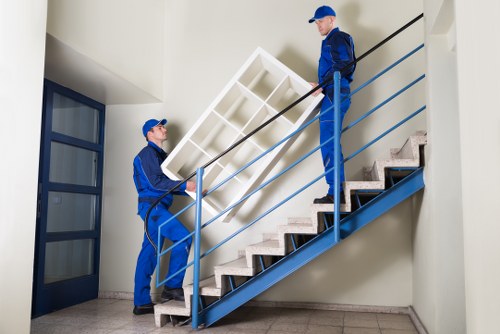
Good preparation does not need to be elaborate. Usually it is enough to know what is being moved, where it starts, where it is going and whether there are any obstacles such as stairs, parking constraints or very narrow access. If you are planning a quotation request, a short item list is often more helpful than a long general description. It also helps to note whether anything is especially heavy, breakable or awkward to carry.
When packing, use sturdy boxes where possible and keep similar items together so the load is easier to sort at delivery. Small loose pieces should be secured, and fragile items should be marked clearly for careful handling. If a job includes more than a single item, make a note of which pieces should stay upright and which can travel flat. That sort of detail helps reduce confusion and keeps the move better organised from start to finish. You can ask for a quote once the basics are clear.
It is also sensible to think about timing in a practical way. If you need access to a lift, shared hallway or loading space, make sure the arrangement is realistic for the job being carried out. Small bits of advance planning can save effort later, especially where furniture has to be taken through a tighter route. If you are unsure about what to include, start with the biggest pieces and build from there.
Man and van jobs for collections, deliveries and storage
 A man and van service is often a good fit for collection and delivery work where the customer needs both transport and handling in one visit. That might mean picking up an item from a seller, moving boxes to storage, or taking household goods to a new address. The useful part of this service is its flexibility: it can be scaled to the load rather than forcing the job into a larger removals format. If the route includes several stops, the order of loading and unloading becomes especially important.
Storage runs are a common example. A tidy load can make it easier to place boxes and furniture so they come out in the right order later. This matters if you are moving only part of a household or preparing for a staged move. We can also support jobs where items need to be moved temporarily before a later delivery, provided the transport plan is sensible. For best results, note whether anything is seasonal, fragile or likely to need to remain accessible near the end of the journey.
There are a few simple decisions that often shape this kind of job: whether the pieces are loose or boxed, whether there are one or two collection points, and whether the delivery address has easy access. A well-chosen loading order can make the journey more efficient and the unloading less awkward. If you want to compare options, it can help to separate the transport of personal belongings from the movement of larger furniture, then decide what level of support you need for each.
Price factors and quotation details
When pricing a van move, the main factors are usually the amount to be carried, the distance travelled, the number of stops, the time needed for loading and unloading, and how straightforward the access is at each end. Items that are unusually heavy, need dismantling or require extra care can influence how the job is planned. That does not mean every move is complicated; it simply means the quotation should reflect the real work involved rather than a rough guess.
If you want a meaningful quotation, provide the item type, the collection and delivery areas, the floor level or access conditions, and any specific handling needs. You do not need a perfect inventory, but enough detail helps create a more useful estimate. Where the job involves several different pieces, a short list is usually enough to start. It also helps to say whether parking is simple or if there may be restrictions close to the property. Accurate information makes a quote easier to shape.
Information that is most useful
The most helpful points are usually practical ones: item size, number of pieces, lifting involved, and whether the job is one-way or includes return transport. If you are arranging a mixed load, mention any items that should not be stacked, any delicate finishes, and whether the move needs to happen in a specific order. That allows the service to be matched more closely to the job without adding unnecessary complexity. A brief, focused enquiry is often enough to begin.
About Tufnell Park
Tufnell Park is an area in north London closely associated with the boroughs of Islington and Camden, sitting between Kentish Town, Dartmouth Park, Holloway and Archway. The locality takes its name from the Tufnell family and from the development of the district during the nineteenth century, when suburban housing spread across what had previously been a more open landscape. Many streets today reflect that period of growth, with terraces, villas and mansion blocks forming much of the built character. The area is also tied to the presence of Tufnell Park station, which opened in the late Victorian period and helped connect the district more closely with the wider city. Tufnell Park Road and adjoining streets give the place a recognisable spine, while nearby residential roads create a quieter feel away from the main routes. The area’s architecture is varied enough to show different phases of urban development, from older terraces to later infill and converted buildings. Local green spaces and access to larger open areas in neighbouring districts add to the everyday rhythm of the place, while its position between several established north London neighbourhoods makes it part of a wider network of shops, schools and community life. Taken together, these features give Tufnell Park a distinct identity that is both residential and well connected, with a landscape shaped by transport history, suburban expansion and the continuing adaptation of older housing stock.
House moves, mixed loads and route planning

Some customers need more than one kind of item moved in the same journey. A house move may include boxes, furniture, kitchen items and a few awkward pieces, all of which need a sensible loading order. Mixed loads are easier to manage when the heaviest and most stable items are placed carefully first, leaving room for lighter and more delicate belongings around them. That approach helps the journey feel structured rather than crowded.
Route planning matters when the job includes more than a straightforward collection and drop-off. Traffic timing, parking access and the location of each stop can affect how long the work takes and how smoothly it runs. If there are multiple floors, shared entrances or tight hallways, those details should be mentioned early so the move can be organised accordingly. We aim to keep the process practical and adaptable rather than overcomplicated. If the job feels borderline between a simple transport task and a bigger removals job, describing the load clearly will help.
For customers who prefer a simple way to begin, a concise description of the items and the route is usually enough. From there, the most suitable arrangement can be considered without unnecessary back and forth. If you are ready to move ahead, get in touch to request a quotation.