Tufnell Park removals Fortess Road to Tufnell Park Station: a practical guide for a smoother local move
If you are planning Tufnell Park removals Fortess Road to Tufnell Park Station, you are probably dealing with the usual London mix of tight streets, awkward loading points, and a moving day that somehow feels bigger than it should. A short local move can still be surprisingly involved. One box forgotten in the hall, one parked car in the wrong place, and the whole schedule shifts. Bit annoying, really.
This guide breaks the move down in plain English. You will find how a local removal typically works, what to prepare before moving day, how to avoid common mistakes, and which service options make the most sense for homes and small businesses around Fortess Road, Tufnell Park Road, and the station area. It is written to help you make a sensible decision, not just tick a box.
For readers comparing service types, it can also help to look at man with van services, broader home moves, or a more flexible moving truck if you have heavier items or a fuller load.
Table of contents
- Why Tufnell Park removals Fortess Road to Tufnell Park Station Matters
- How Tufnell Park removals Fortess Road to Tufnell Park Station Works
- Key Benefits and Practical Advantages
- Who This Is For and When It Makes Sense
- Step-by-Step Guidance
- Expert Tips for Better Results
- Common Mistakes to Avoid
- Tools, Resources and Recommendations
- Law, Compliance, Standards, or Best Practice
- Options, Methods, or Comparison Table
- Case Study or Real-World Example
- Practical Checklist
- Conclusion
- Frequently Asked Questions
Why Tufnell Park removals Fortess Road to Tufnell Park Station Matters
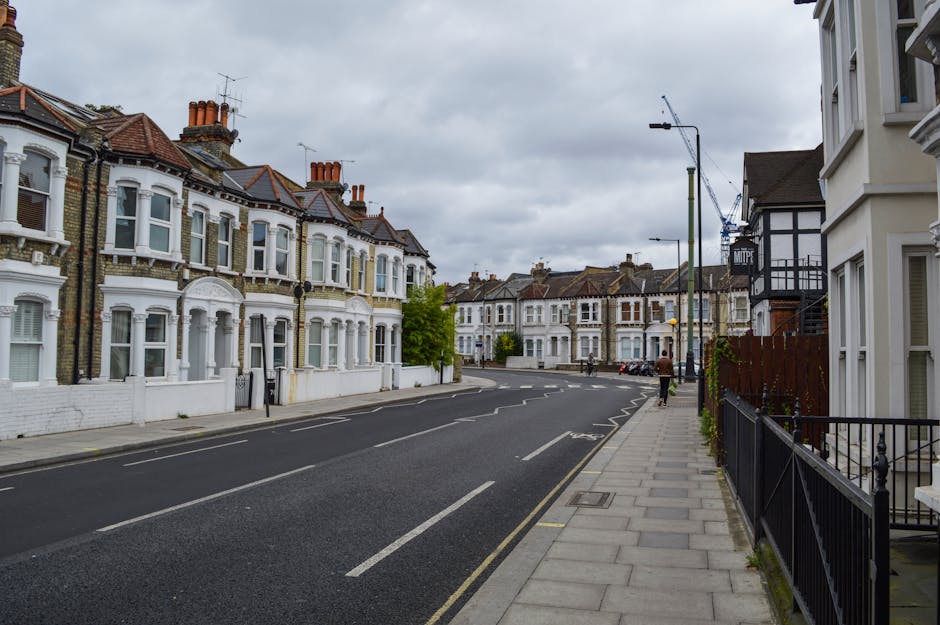
A move between Fortess Road and Tufnell Park Station may look local on a map, but local does not always mean simple. This stretch sits inside a busy part of north London where traffic can change by the minute, parking is often limited, and access around terraced homes, flats, and side streets can be tighter than people expect.
That matters because removals are won or lost on access. If the van cannot stop close enough, carrying time increases. If there is a narrow stairwell, the load plan changes. If the move is timed badly, you end up waiting while the street is busy and everyone else is trying to get on with their day. It is not dramatic, just life in London.
There is also the human side of it. Most people are not only moving objects; they are moving routines, work plans, and a fair amount of stress. A good local removals plan gives you breathing room. It helps you protect furniture, save time, and avoid that "we should have arranged this better" feeling at 4:30 in the afternoon.
For businesses, the stakes can be higher still. Small offices, studios, and independent traders around this area often need quick, tidy relocations with minimal disruption. In those cases, commercial moves and office relocation services are worth reviewing early rather than treating them as an afterthought.
Expert summary: the closer the move is to a busy station area, the more important planning becomes. A short route can still demand careful timing, sensible packing, and the right vehicle size. That is the whole game, really.
How Tufnell Park removals Fortess Road to Tufnell Park Station Works
At a practical level, this kind of move usually follows a simple pattern: survey the items, plan the loading order, choose the right vehicle, carry out the move, then place the furniture and boxes where they belong at the other end. Sounds straightforward. It often is, provided the prep work has been done.
In many local moves, the first step is to check volume. Are you moving a few boxes and one bed frame, or a full flat with white goods, wardrobes, and a sofa that never quite fits through the door? The answer decides whether a man and van setup is enough or whether you need something more substantial, such as removal truck hire.
Access planning is next. Around Fortess Road and Tufnell Park Station, you may need to think about:
- where the vehicle can legally and safely stop
- how far items need to be carried from property to van
- whether there are stairs, basement steps, or narrow hallways
- what time of day is least awkward for traffic and pedestrians
- if any items need dismantling before removal
Then comes packing and loading. Heavy items are placed low and secured. Fragile items are separated and padded. Boxes are grouped by room so unpacking is less chaotic later. If you want help with that part, packing and unpacking services can remove a lot of the strain.
And yes, there is usually a small bit of improvisation on the day. Maybe the chest of drawers needs to turn sideways. Maybe the mattress is just a little too awkward. That is normal. Good movers adapt without making a fuss. You will notice the difference.
Key Benefits and Practical Advantages
Choosing the right removal support for this route is not just about convenience. It can reduce damage, save time, and make the whole process feel far less chaotic. Here are the main benefits people usually notice.
- Less lifting stress: professionals handle the heavy work, which is especially useful if you are moving alone, are short on helpers, or simply do not want to risk your back.
- Better route planning: local movers know that a short journey still needs a smart loading strategy and a realistic time window.
- More efficient handling of awkward items: bulky sofas, white goods, and beds are usually the items that slow things down.
- Fewer delays: when access, parking, and loading order are planned in advance, the day tends to stay calmer.
- Cleaner unpacking: if items are grouped by room, your new place becomes liveable faster.
One underrated benefit is simply peace of mind. A move from Fortess Road to the station area may not be a cross-country relocation, but it still has enough moving parts to be annoying if you try to do everything yourself. A good service reduces the number of things you need to think about at once. And let's face it, moving day already gives your brain enough to do.
For people who are clearing out as well as relocating, it can also help to combine moving with furniture pick up or responsible disposal of large items like a mattress and sofa disposal service, especially if you are replacing old pieces rather than carrying everything forward.
Who This Is For and When It Makes Sense
This type of removals support is a strong fit for a few common situations.
1. Flat moves and small house moves
If you are leaving a one-bed flat, studio, or compact family home near Fortess Road, a local removal can be a very sensible option. The distance is short, but the load may still be awkward. A professional team saves time and reduces the "how are we getting this downstairs?" moment that always seems to arrive at the worst possible time.
2. Student and early-career moves
Young professionals and students often move with mixed loads: a desk, a bed, some boxes, a TV, maybe a bike, and a pile of things that has quietly grown in cupboards over the year. For that sort of move, a flexible vehicle and a careful loading plan are often enough.
3. Busy households with limited time
If your move has to happen around work, school runs, or family commitments, then streamlined support is worth it. The job is not only to transport items; it is to keep the whole day from unravelling.
4. Small office or studio relocations
Design studios, consultancies, and local teams moving between nearby premises need an organised process, not guesswork. In those cases, a service built around commercial moves often makes more sense than trying to treat it like a domestic job.
5. People downsizing or decluttering
If you are moving from a larger property to a smaller one, the move can become a sorting exercise as much as a transport exercise. It is often the right moment to separate keep, donate, recycle, and dispose. A modest bit of decluttering before the van arrives can save a surprising amount of time. Truth be told, most people discover they own more lamp shades than they thought.
Step-by-Step Guidance
Here is a practical way to approach the move without making it more complicated than it needs to be.
- Walk through the property room by room. Make a short list of everything going. Note anything fragile, oversized, or unusually heavy.
- Measure the awkward pieces. Beds, wardrobes, sofas, and appliances are the usual troublemakers. Measure them and compare them with the stairwell, lift, and doorway dimensions if you can.
- Decide what stays and what goes. Do not pay to move items you no longer want. If you have old appliances, look at fridge and appliance removal for separate handling.
- Pack by room and label clearly. Clear labels save time later. Kitchen, bedroom, office, essentials. Simple beats clever.
- Choose the right service level. Light load? A man with van may be enough. Heavier, fuller, or more complex move? Consider a larger van or truck.
- Book the moving slot early. Especially if you want a specific morning or a weekend slot. Good time windows go first, unsurprisingly.
- Keep essentials with you. Documents, chargers, medication, keys, and a change of clothes should not disappear into the back of the van.
- Do a final sweep before departure. Check cupboards, the top of wardrobes, the windowsill, the boiler cupboard, and behind doors. That last one catches people out all the time.
- Confirm placement at the destination. Tell the movers which room each item belongs in. It sounds obvious, but it makes a real difference.
If you are unsure what kind of vehicle you need, it helps to compare the options before booking. That way you do not end up with a van that is too small or a truck that is bigger than necessary.
Expert Tips for Better Results
A few small decisions can make a local move feel much calmer.
Tip 1: Move the heaviest items first in the planning stage. Not physically first. Planning first. Sofas, wardrobes, and appliances shape the rest of the move, so it makes sense to sort those out early.
Tip 2: Leave a clear path from the front door. Shoes, plant pots, recycling bags, and random storage baskets are all notorious trip hazards. A clean route speeds everything up and lowers the risk of damage.
Tip 3: Use soft items to protect breakables. Towels, blankets, and bedding can help cushion smaller items if packed properly. It is not fancy, but it works.
Tip 4: Keep the first-night box obvious. Put kettle, mugs, toiletries, phone charger, toilet roll, and a few snacks in one box. You will thank yourself later, probably at 9:40 pm when nothing is unpacked yet.
Tip 5: Be realistic about time. A one-mile move can still take longer than you think because access, stairs, and parking matter more than distance. Plan for that and you are much less likely to feel rushed.
Tip 6: Ask about handling of special items. Some belongings need extra care: mirrors, glass tables, fitness equipment, and electronics. If documents or files are involved, confidential shredding may be a sensible add-on for office or home office clear-outs.
Common Mistakes to Avoid
Most moving-day problems are not dramatic. They are usually the result of a few small oversights piling up.
- Underestimating the load: people often think they have "just a few things" until the hallway fills up.
- Ignoring access constraints: tight staircases and poor parking can turn a quick job into a slow one.
- Poor labelling: unlabeled boxes create chaos at the other end, and nobody enjoys hunting for cutlery in a mystery box.
- Leaving dismantling too late: flat-pack furniture and large bed frames often need attention before moving day.
- Forgetting disposal needs: if you are throwing away old items at the same time, plan disposal separately rather than assuming it will sort itself.
- Not checking service scope: some jobs need only transport; others need packing, loading help, or specialist item handling.
One more thing. Do not assume the shortest route is always the easiest route. In London, the easiest route is the one that matches the parking, the access, and the timing. That is the truth, slightly boring but very real.
Tools, Resources and Recommendations
You do not need a huge toolkit to manage this kind of move, but a few basics help a lot.
- Strong boxes: use proper moving boxes rather than weak mixed packaging.
- Packing tape and marker pens: the humble essentials. Not glamorous, but very useful.
- Protective blankets: ideal for furniture edges and fragile surfaces.
- Bubble wrap or paper: for glass, mirrors, crockery, and electronics.
- Furniture tools: screwdriver, Allen keys, and zip bags for screws and fittings.
- Reusable bags or crates: handy for lighter loose items that do not need boxes.
When comparing service support, it may help to think in layers. Basic transport is one layer. Loading help is another. Packing, unpacking, and disposal are additional layers. If your move is more than a simple carry, you can mix and match support rather than buying everything. That keeps things efficient without being overcomplicated.
For certain household items, separate services can be useful. Old bedding may need mattress and sofa disposal, while unwanted white goods may suit fridge and appliance removal. If you are clearing a lot at once, look at recycling and sustainability as part of your decision-making, not as an afterthought.
Law, Compliance, Standards, or Best Practice
For local removals, the most important thing is not to overcomplicate the legal side, but to respect the practical standards that keep the move safe and sensible.
In the UK, movers and customers generally need to think about safe loading, proper vehicle use, and responsible handling of waste or unwanted items. If waste is involved, it should be dealt with through appropriate disposal routes rather than left in the street or added to a move without a plan. That is just good practice, and frankly, it protects everyone involved.
For business customers, handling documents, office equipment, and discarded items carefully matters too. Data-bearing items may need secure destruction, and heavy equipment should be moved in a way that reduces damage and injury risk. A clear process helps with that, as does a service provider that treats safety as part of the job rather than a side note. You can review general operational commitments through pages such as health and safety policy, insurance and safety, and payment and security.
One useful best practice is to separate transport, disposal, and packing decisions before moving day. That reduces confusion and helps you stay compliant with whatever is being moved or removed. If you are unsure whether an item should be moved, stored, or disposed of, it is far better to ask in advance than to deal with it under pressure.
Options, Methods, or Comparison Table
Different moves call for different approaches. Here is a straightforward comparison.
| Option | Best for | Strengths | Watch-outs |
|---|---|---|---|
| Man and van | Smaller flat moves, boxes, lighter furniture | Flexible, often efficient, good for short-distance local jobs | May be limited on larger loads or bulky items |
| Moving truck | Heavier or fuller household loads | More capacity, better for larger pieces and more boxes | Can be more than you need for a very small move |
| Removal truck hire | Movers who need vehicle capacity but want more control over the process | Practical for scheduled, organised moves | Requires stronger planning and loading discipline |
| Full packing and moving support | Busy households or people short on time | Reduces stress and speeds up preparation | More moving parts to coordinate, so booking early helps |
For most Fortess Road to Tufnell Park Station moves, the best fit is often somewhere in the middle. Enough support to take the strain off, but not so much that you pay for capacity you never use. That middle ground is where local removals make the most sense.
Case Study or Real-World Example
Here is a realistic example based on the sort of move people often make in this part of Tufnell Park.
A couple moving from a first-floor flat off Fortess Road to a smaller home near Tufnell Park Station had a straightforward list: one double bed, a sofa, a desk, a dining table, around 25 boxes, and a couple of framed mirrors. Nothing outrageous, but enough to make the day awkward without help.
They started by packing room by room over two evenings. One night was all boxes and tape, the other was furniture prep, dismantling the bed, and grouping screws into labelled bags. They also set aside a small essentials box with tea supplies, toiletries, phone chargers, and a change of clothes. That bit sounds small, but it made the first evening in the new place much easier.
On moving day, the biggest difference came from access planning. Because the van was positioned well and the loading order was sensible, there was less back-and-forth carrying than they had expected. The mirrors went last, the bed went first, and the desk was protected with blankets. Nothing fancy. Just organised.
They also decided not to move an old sofa that was past its best. That was the right call. It saved space, avoided extra handling, and made the new flat feel cleaner from day one.
The point is not that every move goes exactly to plan. It does not. But small, realistic decisions tend to add up to a much smoother day.
Practical Checklist
Use this checklist as your quick pre-move sanity check.
- Make a full room-by-room inventory
- Measure the largest furniture pieces
- Decide what will be moved, sold, recycled, or disposed of
- Book the right vehicle and service level
- Confirm access at both ends
- Pack fragile items with extra protection
- Label every box clearly
- Prepare a first-night essentials box
- Keep keys, documents, and valuables with you
- Check whether any appliances or bulky items need separate handling
- Leave hallways and entry points clear
- Do a final property sweep before the van leaves
If you are moving an office or workspace as well as household items, add file security, equipment shutdown, and desk clearance to the list. Little details, but important ones.
Conclusion
Tufnell Park removals Fortess Road to Tufnell Park Station is the kind of local move that rewards a calm, organised approach. The distance may be short, but the planning still matters: access, parking, packing, load size, and timing all shape the outcome. Get those pieces right and the move feels lighter, faster, and a lot less stressful.
Whether you are relocating a flat, moving a few key pieces, or handling a small office transition, the smartest choice is usually the one that fits the job properly rather than trying to force everything into one generic solution. That is true for transport, packing, and disposal alike.
Get a free quote today and see how much you can save.
And if you take nothing else from this guide, take this: a good move is rarely about speed alone. It is about steady preparation, sensible choices, and the relief of arriving with your day still intact.
Frequently Asked Questions
What is included in Tufnell Park removals Fortess Road to Tufnell Park Station?
It usually includes loading, transport, and unloading between the two locations. Depending on the service you choose, it can also include packing help, furniture handling, and disposal of unwanted items.
Is a man and van service enough for a short local move?
Often yes, especially for smaller flats, light furniture, and boxed belongings. If you have heavier items, lots of boxes, or awkward access, you may need a larger vehicle or more support.
How far in advance should I book a local removal?
As early as you can, particularly if you want a specific day or a weekend slot. Local jobs can still book up quickly, and planning early reduces last-minute stress.
Do I need to dismantle furniture before the move?
Not always, but it helps with beds, wardrobes, and large shelving units. If the pieces are awkward or do not fit through doorways cleanly, dismantling is usually worth it.
What should I do with items I do not want anymore?
Separate them before moving day and decide whether they should be recycled, disposed of, or collected separately. For larger household items, services like furniture pick up or mattress and sofa disposal can be useful.
How can I make the move faster on the day?
Pack clearly, label boxes, keep access paths clear, and group items by room. Those small steps save more time than people expect. Honestly, labels do half the job.
What if parking near my property is limited?
That is common in this part of London. Plan ahead, allow extra time for loading, and make sure the service provider understands the access situation before moving day.
Can removals help with office clear-outs too?
Yes, if you are moving a workspace or studio. Office relocation services and commercial moves are a better fit for business items, equipment, and work records than a domestic-only arrangement.
How do I protect fragile items during a short move?
Use sturdy boxes, fill empty spaces, wrap breakables carefully, and keep them separate from heavy items. Soft items like towels and blankets can add extra protection if packed properly.
What happens if I need appliance removal as part of the move?
Large appliances can often be handled separately so they are moved or disposed of safely. If a fridge, washing machine, or similar item is involved, appliance-specific handling is usually the better option.
Are packing and unpacking services worth it?
If you are short on time, dislike packing, or want a more orderly move, yes. They are especially helpful when the move is happening around work, family responsibilities, or a tight deadline.
What is the best way to choose between different moving options?
Compare your load size, access conditions, time pressure, and how much help you actually want. A small move may only need a flexible van service, while a larger one benefits from more capacity and structured support.