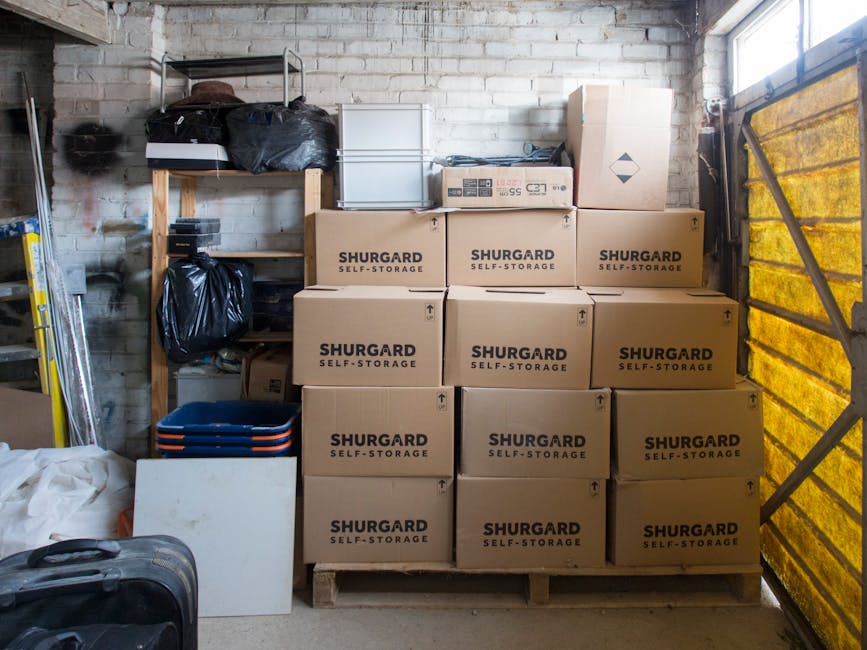
Avoid hidden fees with local Tufnell Park removal companies

If you are planning a move in N19, the last thing you want is a "cheap" quote that quietly grows legs. Avoid hidden fees with local Tufnell Park removal companies by knowing what should be included, what usually costs extra, and how to ask the right questions before moving day. It sounds simple enough, but in practice the details can get slippery fast. A staircase charge here, an access fee there, and suddenly the final invoice is nowhere near the first quote.
This guide breaks down how to compare removal quotes properly, spot the warning signs, and protect your budget without making the process feel like a detective novel. You will also find a step-by-step checklist, a practical comparison table, and a few real-world examples from the kinds of moves people actually do around Tufnell Park: flat moves, family homes, office relocations, and those awkward jobs involving narrow streets and third-floor walk-ups. Let's make the whole thing clearer, calmer, and a bit less stressful.
Why hidden fees matter
Hidden fees are not just annoying. They can throw off your moving budget, affect the timing of your move, and make it hard to compare removal companies fairly. In a busy area like Tufnell Park, where streets can be tight, parking can be limited, and access can be awkward in older buildings, small extra charges can creep in fast if the move is not priced properly from the start.
The problem is that a moving quote can look perfectly reasonable on the surface. Then you discover the price changes because the team had to wait for keys, carry items down several flights, or make two trips because a van was too small. To be fair, some extras are legitimate. The issue is not the extra cost itself; it is the lack of clarity. You deserve to know what you are paying for before anyone lifts a sofa.
For local moves, transparency matters even more because the details are so specific. A quote that works for a ground-floor house move in one street may be completely wrong for a second-floor flat near the station. That is why careful customers ask about access, mileage, parking, packing, dismantling, insurance, and timing before booking.
Practical truth: the cheapest quote is often only the cheapest quote if every assumption turns out to be true. Real moves, as you probably know, rarely behave that nicely.
When you take hidden fees seriously, you do not just save money. You also reduce arguments, delays, and last-minute panic. And that is worth a lot on moving day, especially when the kettle is packed and nobody can find the box with the mugs.
How hidden fees work
Most removal companies start with one of three pricing approaches: hourly rates, fixed quotes, or a blended estimate based on survey details. Hidden fees tend to show up when the quote is incomplete or when the customer and company have different ideas about what the job includes. That gap is where trouble starts.
Here is how it usually happens in practice. You request a price, explain the basics, and receive a quote that covers the obvious parts: van, team, and travel. But some items are left vague. Was packing included? Is waiting time chargeable? What if parking is impossible outside the property? What if the sofa needs to be taken apart? Those "small" questions are where the final bill can drift.
Local removal firms should normally ask detailed questions before quoting. If they do not, that is your cue to slow down. A proper quote should reflect:
- the size and volume of your move
- the number of movers required
- access at both properties
- stairs, lifts, and long walking distances
- parking restrictions or permit needs
- whether packing materials are included
- extra handling for bulky, fragile, or heavy items
- time windows, waiting time, and schedule changes
Sometimes the fee itself is not hidden, just poorly explained. That still creates the same result. If a company says "additional charges may apply," you need specifics. Additional for what? At what rate? Under what conditions? If they cannot answer clearly, that is not a great sign.
One useful habit is to treat the quote like a mini contract. Read it line by line. If something sounds fuzzy, ask for it in plain English. You are not being difficult. You are being sensible.
Key benefits and practical advantages
Taking time to avoid hidden fees gives you more than just a lower final bill. It also makes the whole move feel more under control, which matters more than people often admit. Moving is disruptive enough without wondering whether you have been sold a bargain that turns into a headache.
Here are the main advantages:
- More accurate budgeting: you can plan the total cost instead of guessing.
- Better comparisons: you can compare companies on equal terms, not just headline price.
- Fewer surprises: there is less room for arguments on the day.
- Improved trust: clear pricing usually reflects a more organised business.
- Smoother moving day: fewer delays when the team already knows what to expect.
A clear quote also helps you make better trade-offs. Maybe you are happy to do your own packing, but want the crew to handle furniture dismantling. Maybe you need packing and unpacking services for only the fragile rooms, not the whole property. Once the pricing is transparent, decisions like that become practical rather than stressful.
The big benefit, though, is peace of mind. You can focus on the move itself: keys, deadlines, the stuff under the sink you always forget about, and that one box everyone somehow labels "misc."
Who this is for and when it makes sense
This approach is useful for almost anyone moving house or business premises in Tufnell Park, but it is especially valuable if your move has any complexity at all. And let's face it, many local moves do.
You should pay particular attention to hidden fees if you are:
- moving from or to a flat with stairs, narrow hallways, or no lift
- living on a busy street where parking is tricky
- moving a family home with lots of furniture and packed boxes
- booking at short notice and worried about rush charges
- relocating a small office and need minimal downtime
- moving heavy items such as appliances, mattresses, or bulky furniture
- comparing a man and van service with a larger removal team
If you only have a few items and a simple load, hidden fees may be easier to spot. But once stairs, access, and timing come into play, the real cost can shift quickly. For example, a move from a top-floor flat in the early evening may look straightforward until the team realises parking is two streets away and the lift is out of service. That is exactly the sort of scenario where an upfront conversation matters.
Business customers should also be careful. Office moves often involve sensitive equipment, time windows, insurance questions, and the possibility of extra labour if desks need dismantling. If that sounds familiar, a broader service such as office relocation services may be more suitable than a basic van-only booking.
Step-by-step guidance
Here is a practical way to keep your quote clean and your costs predictable. Nothing fancy. Just a sensible process that works.
- Describe the move properly. Include property type, number of rooms, stairs, lift access, parking issues, and any awkward items.
- Ask what the quote includes. Make the company spell it out: labour, van, mileage, fuel, packing, dismantling, waiting time, and insurance.
- Ask what counts as an extra. Do they charge for long carries? Evening moves? Sat-nav delays? Extra stops? Small print can be surprisingly talkative.
- Request a written quote. A written breakdown is far easier to review than a phone promise remembered differently by each person.
- Check access details honestly. If there is no parking outside or the lift is unreliable, say so. Surprises on moving day nearly always cost money.
- Compare like for like. A cheaper quote that excludes packing and insurance may be more expensive overall than a fuller quote.
- Confirm the cancellation or rescheduling policy. Plans change. Good companies explain this without making it a drama.
- Keep everything together. Save emails, messages, and quote documents so you can refer back if needed.
If you want a simple rule, use this: if a fee could reasonably appear later, ask about it now. That one habit saves a lot of hassle.
For many people, booking online can be useful too, because it creates a record of the details you submitted. A clear booking path such as book online can make the process less back-and-forth, especially if you are juggling work, kids, or both.
Expert tips for better results
After enough moves, you start to notice the same patterns. Some are obvious, some less so. Here are the details that tend to make the biggest difference.
Ask about access before you ask about price
A price without access details is only half a price. If the company does not know whether the van can park close by, whether there is a lift, or whether the hallway is too tight for large furniture, the quote is bound to be rough. Access issues are one of the most common causes of extra charges.
Be precise about awkward items
Wardrobes, beds, appliances, pianos, and very heavy mirrors often need extra care. Say what you have. Better still, send photos if the company asks for them. A quick picture can save a surprisingly large amount of confusion later.
Separate "service" from "support"
Some customers assume all help is bundled in. It often is not. Packing, wrapping, dismantling, and reassembly may be optional. If you need the team to handle everything, ask what that actually means in practice. If you only want transport, say that too.
Do not chase the cheapest number blindly
Cheap can be fine. Cheap and vague is the problem. A slightly higher quote that includes insurance, clear labour terms, and a realistic time estimate is often better value than a bargain that grows every ten minutes.
Watch for odd phrasing
Phrases like "subject to final assessment" or "may incur additional costs depending on circumstances" are not automatically bad. But they should be followed by examples. If they are not, ask for them. You want clarity, not a treasure hunt.
One more thing: trust your instincts. If the person quoting feels rushed, evasive, or oddly reluctant to put things in writing, that tells you something. Not everything, maybe. But enough.
Common mistakes to avoid
Most hidden-fee problems are avoidable. The trouble is that people are busy, moving is stressful, and it is easy to skim over the detail. Here are the mistakes that cause the most grief.
- Only asking for the headline price. A cheap base rate may exclude half the job.
- Leaving out access details. Stairs, lifts, and parking matter more than many people expect.
- Assuming packing is included. It often is not.
- Forgetting about dismantling or reassembly. Beds and wardrobes can add time and cost.
- Not checking waiting-time rules. Delays happen. The question is how they are charged.
- Ignoring insurance questions. You should know what is and is not covered.
- Making verbal-only agreements. If it is important, get it in writing.
There is also a subtle mistake people make: they assume every company prices in the same way. They do not. One firm may bundle in things another treats as extras. That is why a quote comparison has to be careful, not rushed. Otherwise you are comparing apples with, well, a box of screws and a missing Allen key.
Tools, resources and recommendations
You do not need specialist software to avoid hidden fees, but a few simple tools help a lot.
- A room-by-room inventory: list what is moving, including bulky items and anything fragile.
- Photos or short videos: especially useful for staircases, access points, and large furniture.
- A written quote comparison: put each company's inclusions side by side.
- Notes on parking and access: include permit needs, road width, and loading restrictions.
- A timeline for the move: useful if you need early access, a same-day handover, or a tight arrival window.
If you are dealing with bulky household items, it can also help to think through disposal or special handling before moving day. Services such as mattress and sofa disposal, fridge and appliance removal, or furniture pick up may be more relevant than paying to move items you no longer want.
For office customers, it is worth keeping an eye on document handling and IT equipment too. If paperwork needs to be destroyed securely, confidential shredding can be part of a more organised relocation plan. A move is rarely just boxes. It is also loose ends, and the neatest companies know how to tidy those up.
Law, compliance, standards, and best practice
This is not legal advice, and moving rules can vary depending on the exact service and situation, but there are some sensible standards worth expecting from any reputable removal company in the UK.
First, you should expect honest pricing and clear terms. A business that sells a service should be able to explain how it charges, what is included, and what happens if the job changes. That is basic professionalism, not a bonus feature.
Second, ask about insurance. A proper moving company should be able to explain its cover in plain language, including how goods in transit are handled and what happens if there is accidental damage. Never assume cover exists just because the company sounds experienced.
Third, look for safe working practices. Manual lifting, loading, and vehicle use all carry risk. Reputable firms usually have a health and safety approach, and it is reasonable to ask how they protect people and property during the move. If you want to understand a company's approach a little better, a page like health and safety policy can be a useful signpost.
Fourth, if payment handling matters to you, make sure the business explains how it processes payments and security. Transparent billing and secure payment methods are part of trust, plain and simple. A company that handles this clearly will often also handle pricing clearly. Not always, but often enough to notice.
You may also want to review broader business policies such as payment and security, complaints procedure, and terms and conditions before you book. These are the kinds of pages that show whether a company is willing to stand behind its service.
For commercial moves, data handling and disposal can matter too. If you are clearing an office, recycling or sustainability practices may be relevant, especially where equipment or packaging needs to be dealt with responsibly. That does not mean every move needs a formal policy review. It means the better businesses are usually happy to talk things through without getting defensive.
Options, methods, and comparison table
Different move types suit different pricing approaches. Knowing the difference can help you spot hidden charges before they show up.
| Pricing method | Best for | Possible hidden fee risk | What to confirm |
|---|---|---|---|
| Hourly rate | Small, straightforward moves | Waiting time, access delays, and extra trips | Minimum charge, clock start time, and what slows the job down |
| Fixed quote | Moves with good detail and predictable access | Scope creep if items or conditions change | Exactly what is included, and what triggers an extra cost |
| Survey-based estimate | Larger homes or office moves | Underestimation if the survey is incomplete | Whether the quote depends on final site conditions |
| Man and van | Smaller moves, single-item transport, flexible jobs | Extra charges for stairs, waiting, or multiple loads | Load size, labour hours, and access assumptions |
| Full removal service | House moves, larger families, and busy relocations | Packing, dismantling, and special-item handling | Whether materials, labour, and reassembly are included |
If you are deciding between a smaller service and a fuller package, think about time as well as money. A cheaper service can become expensive if it stretches the move over an extra half-day. On the other hand, paying for more support than you need is unnecessary. The right balance depends on your property, your schedule, and your tolerance for lifting boxes at 7 a.m. on a wet Tuesday.
For some customers, a man and van service is enough. For others, a more complete home move or even a house removalists service will be better value because it reduces hassle and avoids incremental add-ons.
Case study or real-world example
Here is a realistic example, based on the sort of move people in Tufnell Park often face.
A couple moving from a first-floor flat near the station asked three companies for quotes. The first quote was the cheapest by a fair bit. It looked brilliant at first glance. But once they asked a few questions, the company confirmed that packing materials, dismantling the bed, and waiting time would be extra. The second quote was slightly higher, but it included packing help, basic furniture protection, and a clearer time allowance. The third quote sat somewhere in between, but it required more back-and-forth to understand what was included.
They chose the middle quote. Why? Because the final cost was easier to predict, and the move involved a narrow staircase, a bulky sofa, and a small access issue outside the building. On moving day, that turned out to be the better decision. There was no awkward haggling at the kerb, no surprise charge for basic wrap materials, and no last-minute scramble to find tools for the bed frame.
The lesson is not that the cheapest option is always wrong. It is that transparent pricing usually wins once you factor in real conditions. A quote that is honest about the job is often the quote that feels best when the van door shuts and the flat is empty. A bit emotional, maybe, but true.
Practical checklist
Use this checklist before you confirm any booking. If you can tick these off, you are in good shape.
- Have I described the move accurately, including stairs, lifts, and parking?
- Do I know exactly what the quote includes?
- Have I asked about packing, dismantling, and reassembly?
- Do I understand how waiting time or delays are charged?
- Have I confirmed insurance and goods-in-transit cover in plain language?
- Are special or heavy items listed clearly?
- Do I have the quote in writing?
- Have I checked cancellation or rescheduling terms?
- Do I know whether disposal or extra stops are included?
- Have I compared at least two quotes on the same basis?
Quick rule of thumb: if a detail could change the workload, it could change the price. Ask about it.
And if something still feels unclear, ask again. Really. A good company will not mind. Clarity is part of the service.
Get a free quote today and see how much you can save.
Conclusion
Hidden fees are easy to miss when you are busy, but they are not inevitable. With the right questions, clear written terms, and a realistic view of access and workload, you can choose local Tufnell Park removal companies with far more confidence. The best quotes are not just low. They are understandable. They tell the truth about the move you actually have, not the ideal version someone hopes you do.
If you remember only one thing, make it this: transparency beats guesswork. Ask early, compare carefully, and do not be shy about making the company explain the numbers. That one habit can save money, time, and a fair bit of irritation.
For readers who want a more detailed look at pricing and service structure, the pricing and quotes page is a useful place to start, and the about us page can help you get a feel for the team behind the service. If you are planning a move soon, choose clarity first. You will feel the difference on the day, when it really counts.
Frequently Asked Questions
How do I avoid hidden fees when booking a removal company in Tufnell Park?
Ask for a written quote that clearly lists what is included, then question anything vague. Focus on access, stairs, packing, dismantling, waiting time, and insurance. Most hidden fees appear because one of those details was never discussed properly.
Are cheap removal quotes usually a bad sign?
Not always. A low quote can be fine if it is detailed and realistic. The warning sign is a cheap quote with very few specifics. If the company cannot explain how the price was calculated, the final bill may rise later.
What extra charges should I ask about before moving day?
Ask about long carries, stairs, lift access, parking, waiting time, extra labour, packing materials, dismantling, and additional stops. If you have heavy or awkward items, confirm whether those are included too.
Should I choose a fixed quote or an hourly rate?
It depends on the move. A fixed quote is often better for larger or more complex jobs because it gives you certainty. An hourly rate can work for smaller, predictable moves, but only if the access is easy and the scope is clear.
Do removal companies charge for stairs in London flats?
Some do, some do not, and many only charge if the stairs make the job significantly harder or slower. The key is to ask in advance. In older Tufnell Park properties, stair access can affect the workload more than people expect.
Can I reduce my moving costs by packing everything myself?
Often, yes. Self-packing can reduce labour costs, but only if it is done neatly and safely. Poor packing can create delays or damage, which is a different kind of expense. It is a trade-off, not a magic trick.
What should be included in a proper written moving quote?
A proper quote should state the service type, labour, van, mileage or fuel terms, access assumptions, packing materials if any, insurance details, and any extras that might apply. The clearer the document, the easier it is to compare.
How can I tell if a removal company is trustworthy?
Look for clear communication, written terms, sensible questions about access, and straightforward answers about insurance and payment. A trustworthy company usually sounds organised rather than vague. That simple, really.
What if my move changes after I get the quote?
Tell the company as soon as possible. Changes like extra items, altered dates, or new access issues can affect the price. Honest communication now is much cheaper than arguing later on the pavement while the lift is out.
Are packing and unpacking services worth paying for?
They can be, especially if you are short on time, moving with children, or dealing with fragile items. Services like packing and unpacking services often save stress as much as time. For many people, that is the real value.
Do I need to worry about disposal fees as well as moving fees?
Yes, if you are leaving items behind. Bulky furniture, appliances, and old mattresses can create extra costs if they need to be removed separately. Sorting this out early keeps the quote honest and avoids last-minute surprises.
What is the best next step if I want a transparent quote?
Prepare your move details, make a list of the items involved, and ask for a written estimate based on your actual access conditions. If you want a straightforward place to begin, review the pricing details and contact the company with your questions before confirming anything.